 Meomy

The LSAT includes an unscored multiple-choice section, so not every question you answer contributes to the reported score. That detail from LSAC's question overview is a useful reminder: preparation means practicing the whole experience, not collecting facts you hope will appear. Start with an official baseline, identify the decisions that keep going wrong, and build a routine around those decisions. Let's go through seven steps you can put on a calendar without pretending that everyone needs the same number of weeks.
Why studying for the LSAT is hard
A completed question set gives you a number, but it does not automatically tell you what to change. You might miss one answer because you misunderstood a claim, another because you rushed, and another because two choices looked equally plausible. Those are different problems. Repeating the same routine for all three makes it difficult to see what you are actually practicing.
There is also a planning trap: treating every spare hour as an hour you can reliably study. A beautiful schedule built on imaginary free evenings will not survive a busy week. Start with time you can protect, and leave room to examine answers. The review block belongs on the calendar just as much as the practice block.
LSAC's preparation page recommends familiarity with official questions and the test interface. Use its current instructions for your intended administration. This article was checked in November 2026; LSAC flags further changes starting in August 2027. An old video or borrowed book can still contain useful reasoning practice without being a reliable guide to your test-day format.
7 ways to build an LSAT study plan
1. Check your test date and use matching materials
Before building a timetable, write down the administration you intend to take. Open the official information for that date and check which practice format applies. Do not build a plan around a friend's memory of an earlier LSAT. The calendar is already complicated enough without inheriting someone else's outdated instructions.
LawHub's current preparation page provides official PrepTests and describes its practice modes. It also explains the interface changes introduced in August 2026. Start there rather than assuming every online question bank reproduces the current experience.
Create a simple materials note: official practice source, intended test date, and where you will check updates. Keep a second list for supplementary explanations. This distinction matters because an explanation can help you learn a reasoning move while the official source remains your reference for the exam itself.
For example, name your folder “LSAT January preparation” rather than “exam stuff.” Put your schedule and question-reference log inside it. Small housekeeping decisions save you from repeatedly searching for the same material.
2. Take a baseline and record uncertainty
Attempt an official practice test using the relevant instructions and timing. If approved accommodations apply to you, plan practice around your own testing conditions. Record interruptions honestly; a session broken up by work calls is useful practice, but it is a different baseline from an uninterrupted simulation.
Alongside the score, write three observations: where you ran short of time, which answers involved guesses, and which passages or arguments you could not explain. Avoid writing only “reading is bad.” That description is too broad to choose tomorrow's task.
A more useful note might say: “I understood the passage topic but confused the author's position with a view the author was criticizing.” Another could be: “I chose the answer that sounded sensible without checking whether the conclusion followed.”
Penn State's pre-law guidance recommends a timed baseline and detailed review. Treat the first score as a starting measurement. It is information for your plan, not a verdict on whether you belong in law school.
3. Turn each mistake into a decision to practice
Build a short error log. Suggested columns are question reference, your reason for choosing the answer, the explanation you now accept, and the check you will use next time. Include uncertain correct answers. A lucky guess still leaves something to learn.
Here is an original reasoning example, not an official LSAT question: “Every member of the debate team attends a workshop. Sam attends the workshop. Therefore Sam is on the debate team.” The conclusion does not follow because attendance might include people outside the team.
A useful log entry would say: “I reversed a one-way relationship. Next time I will ask whether the evidence also allows nonmembers.” That is more actionable than “logic mistake.”
Do not copy an entire explanation and call the review finished. Close it and state the distinction in your own words, then check that statement against the source. If the explanation still does not make sense, mark it for a teacher, tutor or study partner. An unresolved question should stay visible.
4. Separate careful reasoning from timed execution
Give yourself a session where your task is to justify answers carefully, followed on another occasion by a timed set. These are proposed practice choices, not a promise of a particular score increase. The aim is to make it clear which skill you are examining.
During careful work, write what the argument claims and what supports it before you look for an answer. For a passage, note each paragraph's job: introducing a position, presenting evidence, challenging it or qualifying the conclusion. Use brief notes rather than rewriting the passage.
During timed work, follow the applicable official conditions and record where your process broke down. If the same reasoning error appears both with and without time pressure, practice the underlying distinction. If your careful reasoning is sound but you repeatedly leave questions unfinished, examine your pacing choices.
Use an unfamiliar question to check the lesson. Recognizing a question you have already reviewed is different from explaining a new argument. Keep those results separate in your notes.
5. Build a week around outputs you can inspect
Instead of “study Monday,” write a task with a finish line. For example: “Attempt a small official logical-reasoning set, then explain every uncertain choice.” You should be able to open your notebook afterward and see what the session produced.
Here is a starter week you can adapt. The durations are suggestions, not research findings or required preparation hours.
| Session | Suggested task | What to keep |
|---|---|---|
| Monday | 45 minutes of careful reasoning practice | Explanations and question references |
| Tuesday | 30 minutes reviewing Monday's uncertainty | Two specific lessons |
| Wednesday | 45 minutes of passage practice | Paragraph roles and answer reasons |
| Thursday | Rest or move an unfinished review block | An updated plan |
| Friday | One timed official section under applicable conditions | Timing notes |
| Weekend | Review, then choose next week's focus | A short priority list |
The spaced repetition schedule offers another way to plan returns to material you have already studied; adapt the idea rather than treating its timetable as an LSAT requirement.
If your week is crowded, shrink the number of tasks before eliminating review. Keep a spare block for unfinished work. A schedule needs somewhere for real life to land.
For more examples of organizing practice materials, browse the study articles. Keep LSAT-specific content anchored to official sources.
6. Use memory aids for lessons, not substitute questions
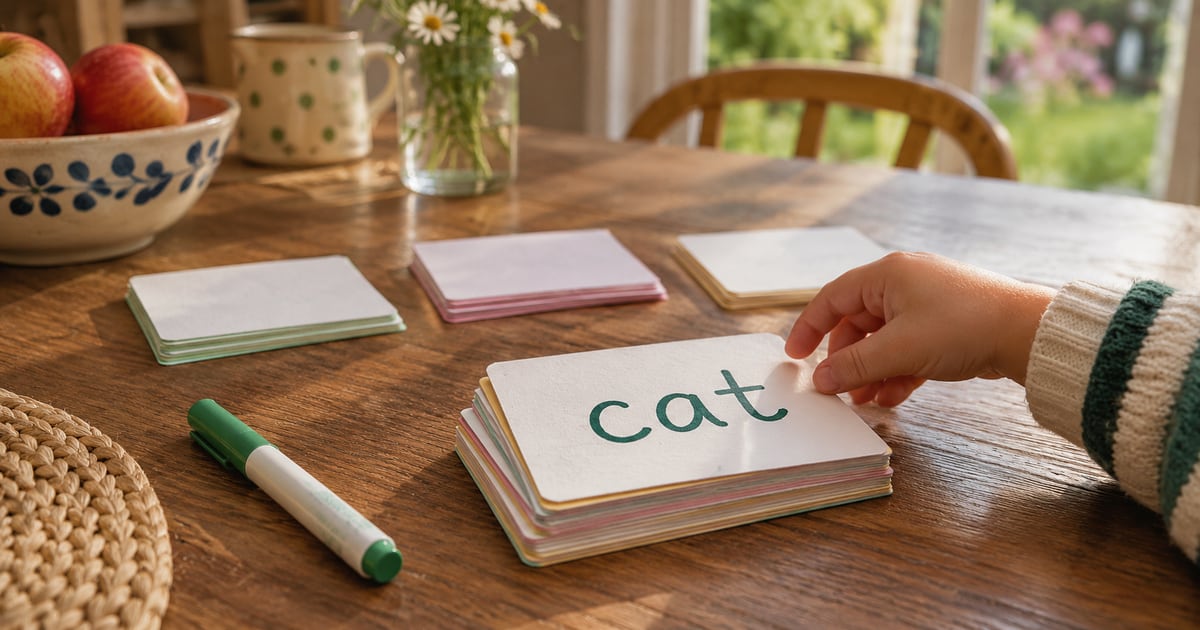
Flashcards can hold a distinction you keep forgetting, but they should not become your whole preparation plan. Make a card from your own lesson: “Does all A are B imply all B are A?” On the reverse, explain why not and give a fresh example.
Another card could ask: “What separates the author's view from a position described in the passage?” Answer with a reading check you can use: identify who is making the claim and whether the surrounding language supports or criticizes it.
Keep copyrighted test materials within the permissions of your source. You can summarize your own reasoning lesson without uploading a whole official passage to another service.
I'm a software engineer, and I build Meomy and Cela myself under Alic Systems. The useful boundary here is straightforward: a general study tool can organize your own notes, while official LSAT practice tells you whether you can handle actual exam questions. You need to keep checking the second part.
7. Review progress and revise the next block
Choose a regular point to inspect your log and practice results. Ask whether recurring errors are becoming more specific, whether you can explain formerly confusing answers, and whether your timed work is consistent enough to inform the next decision.
Compare like with like. A familiar test completed untimed should not be treated as proof that your score has increased under exam conditions. Note reused material, interruptions and timing differences beside the result.
If progress stalls, change one thing you can observe: the kind of explanation you use, the size of a practice set, or whether someone checks your reasoning. Avoid rebuilding the entire plan after one difficult evening.
Preparation length should follow your situation. Your starting point, available hours and target all matter. If the remaining weeks cannot accommodate the practice and review you need, consider whether a later administration fits your application plans. Check deadlines directly rather than assuming another test date will work.
When a study plan isn't enough
A timetable cannot explain a reasoning gap on its own. If you keep reading an explanation without understanding it, bring the exact question reference and your reasoning to a qualified tutor, instructor or study partner. Ask where the inference failed rather than asking only for a faster trick.
Keep administrative preparation separate too. Check official requirements for identification, the test center, accommodations where applicable and the separately administered writing component. Consult LSAC for current arrangements; a blog post should not be your only source for test-day instructions.
If you explore a course, compare its explanations, structure and use of licensed official content with the problem you need solved. You do not need to purchase a large package merely because your first diagnostic felt uncomfortable. Equally, asking for targeted help is a reasonable response to a persistent gap.
How Meomy AI can help
The app overview describes turning notes, PDFs and audio into flashcards and quizzes, plus Feynman AI sessions for explaining concepts in your own words. For LSAT preparation, a sensible use is working with your own error summaries and reasoning notes. Review any generated material against the explanation you trust before studying it.
It is a general study companion, not an official LSAT question bank, scoring service or test simulator. Do not assume it supplies licensed LSAT passages or predicts your score. Keep your official question practice and your personal note review connected, with each doing a clear job.
Conclusion
Begin with the exam you will actually take, use official practice to establish a baseline, and turn uncertainty into specific tasks. A workable LSAT plan makes room for explanations, unfamiliar questions, timed practice and a regular decision about what needs attention next. Your first action can be small: choose an official practice session and reserve its review block now. Then let the evidence from your work shape the following week, rather than filling the calendar with hours you cannot protect.
Frequently asked questions
How long should I study for the LSAT?
There is no preparation period that fits everyone. Start with your baseline, target and realistic weekly hours, then schedule a progress check. If your current routine leaves no time to review mistakes, extend the plan or reconsider the test date rather than compressing everything into more practice tests.
Can I study for the LSAT without paying for a course?
You can begin with official practice materials through LawHub and a written self-study routine. A course or tutor may help if you need explanations, feedback or accountability. Compare what you actually need before paying, and check that a provider uses officially licensed LSAT questions.
Should I memorize LSAT answers on flashcards?
Use cards for your own reasoning lessons, not answer letters from practice tests. A useful prompt asks you to explain a distinction, identify an assumption or describe why a tempting answer failed. Then return to unfamiliar official questions to check whether you can apply that lesson.
What should I do after a practice test?
Review incorrect answers, guesses and answers you selected without clear reasoning. Record the question reference, what misled you and what you will check next time. Review correct answers too when you cannot explain them. Choose the next drill from that record rather than from the score alone.